
Rocio Laura
5 Essential Mobility Training Techniques To Improve Flexibility & Reduce Injury Risk!
Pick your FAVORITE strategy!!

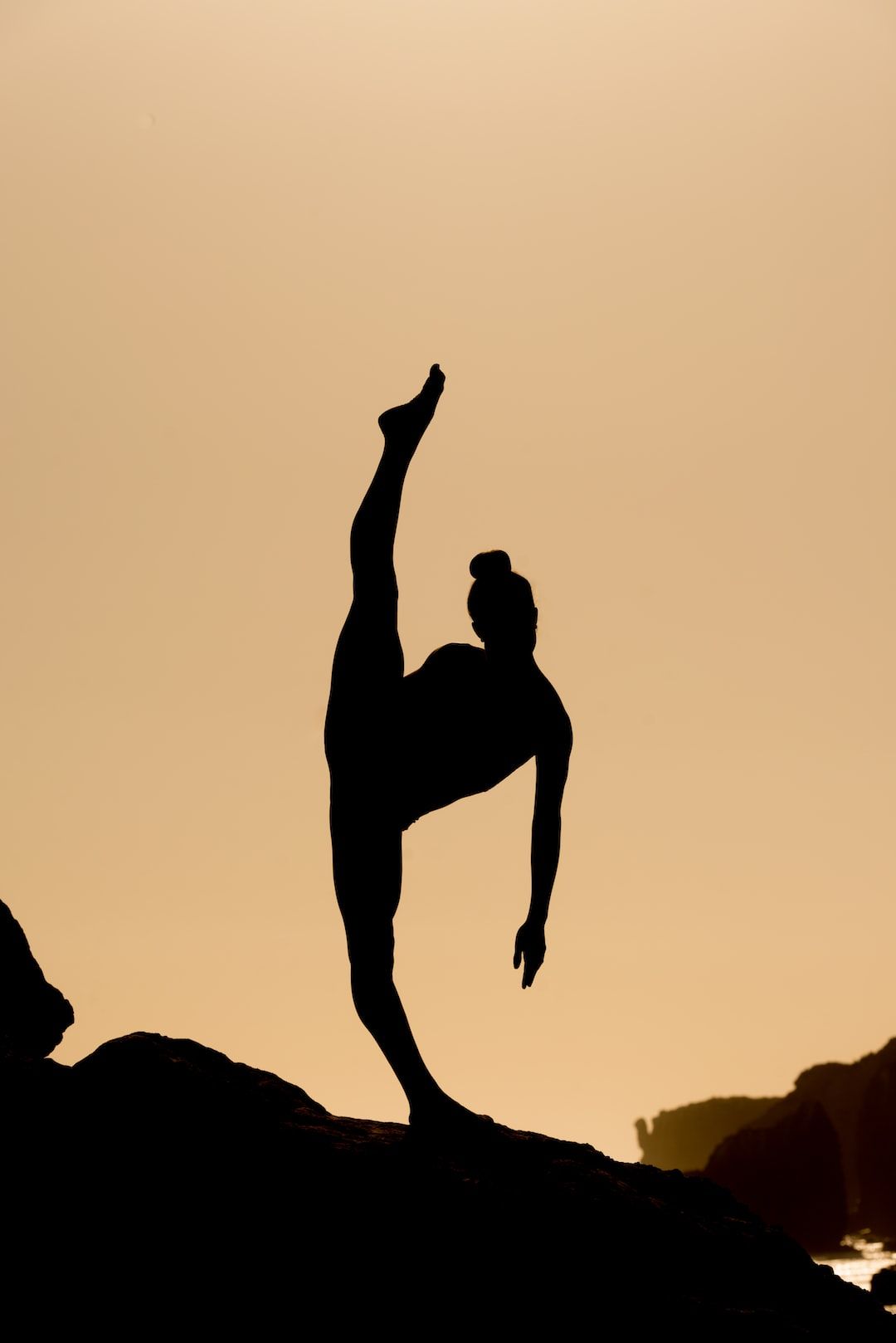
Movement is essential for healthy living…but what is all this uproar around mobility training?
Mobility training is a type of exercise that focuses on stretching and improving the range of motion in your joints. This form of exercise not only helps with posture, flexibility and pain-free movement, but also aids in injury prevention, healthy aging and longevity. I'm Serious!!!!
Mobility training is a type of exercise that focuses on stretching and improving the range of motion in your joints. This form of exercise not only helps with posture, flexibility and pain-free movement, but also aids in injury prevention, healthy aging and longevity. I'm Serious!!!!
Sports Medicine
Blandino, et al., 2019
Blandino, et al., 2019
"Mobility training is a powerful tool that can help reduce the risk of injury, improve posture, and support healthy living."
Last week we dove into why mobility training is so important and how exactly it can benefit your day to day life.
But, did you know there are different strategies you can adopt as you create your perfect mobility routine?
Today, let's discuss 5 different techniques in mobility training.
Start with the ones you need in your life right now!!
But, did you know there are different strategies you can adopt as you create your perfect mobility routine?
Today, let's discuss 5 different techniques in mobility training.
Start with the ones you need in your life right now!!
Dynamic Stretching
Dynamic stretching involves the focused movement of part of your body through its range of motion without a hold. Over time you will gradually increase reach, speed or both for improved flexibility. As part of a warmup, the movement patterns will generally mirror those that will later be performed with load.
The goal here is to increase athleticism by improving coordination and brain to muscle connection over a joint’s range of motion. "Improved flexibility through mobility training leads to better neuromuscular control and coordination." (Kendrick et al., Journal of Strength and Conditioning Research 2017)
Examples include leg swings, arm circles and bodyweight squats.
The goal here is to increase athleticism by improving coordination and brain to muscle connection over a joint’s range of motion. "Improved flexibility through mobility training leads to better neuromuscular control and coordination." (Kendrick et al., Journal of Strength and Conditioning Research 2017)
Examples include leg swings, arm circles and bodyweight squats.
Static Stretching
Static stretching involves holding a particular stretch for an extended period of time - typically twenty seconds or longer. This form of stretching provides temporary muscle lengthening which over time allows for deeper flexibility.
Although flexibility and mobility are two slightly different concepts, they go hand in hand for our health. Flexibility serves as a foundation for the extent of our mobility.
Examples include calf raises, quad stretches and seated twists.
Although flexibility and mobility are two slightly different concepts, they go hand in hand for our health. Flexibility serves as a foundation for the extent of our mobility.
Examples include calf raises, quad stretches and seated twists.
Myofascial Release
Myofascial release is a type of stretching that uses pressure instead of movement. The idea is to relieve tension in the fascia - connective tissues found throughout our bodies - which can become restricted due to injury or overuse.
Picture the foam roller:
This is often thought of as a self-massage that's used to alleviate muscle tightness but it's actually a mobility technique! By applying pressure to trigger points in your muscles, you can increase flexibility and decrease pain caused by adhesions or knots in the muscles.
Examples include using a foam roller or lacrosse ball to apply pressure to tight muscles.
Picture the foam roller:
This is often thought of as a self-massage that's used to alleviate muscle tightness but it's actually a mobility technique! By applying pressure to trigger points in your muscles, you can increase flexibility and decrease pain caused by adhesions or knots in the muscles.
Examples include using a foam roller or lacrosse ball to apply pressure to tight muscles.
"Myofascial release helps to reduce muscle tension, pain and inflammation."
(Vargas et al., 2019)
Stability Training
Stability training is a key component of mobility training and can help improve stability across multiple planes of motion. Again, think - 'technically different but go hand in hand'. Basically, if you can't stand and stabilize first, you can't move.
Core stability exercises like planks, bridges and mountain climbers can help improve body control and posture. Single leg (unilateral) exercises such as lunges or squats are also excellent at building balance. You can also try sports-specific drills like agility ladders or lateral shuffles which prepare the body for quick movements during sport.
Incorporating stability training is another multi-benefit strategy that zeros in on supporting better neuromuscular coordination.
Examples include planks and unilateral leg exercises.
Core stability exercises like planks, bridges and mountain climbers can help improve body control and posture. Single leg (unilateral) exercises such as lunges or squats are also excellent at building balance. You can also try sports-specific drills like agility ladders or lateral shuffles which prepare the body for quick movements during sport.
Incorporating stability training is another multi-benefit strategy that zeros in on supporting better neuromuscular coordination.
Examples include planks and unilateral leg exercises.
Active Isolated Stretching
Active Isolated Stretching (AIS) is a type of mobility training that utilizes the concept of reciprocal inhibition and involves performing dynamic, controlled stretches in order to lengthen and strengthen muscles.
Originally developed by Aaron Mattes over 3 decades ago, AIS has 4 main parts. During AIS, the target muscle is isolated and stretched for no more than two seconds at a time before being relaxed and contracted again, this is repeated 8-10 times while focusing on breath to provide optimal oxygen to the muscle.
This stretching helps to reduce fatigue on the muscles while bypassing our natural pain reaction, since the stretch time is so short. This allows for a gentle deepening and simultaneous strengthening of the surrounding muscles and tendons.
Examples include: performing calf raises while stretching out the calves with a band, holding for two seconds and then slowly lowering back down. This can be done with any body part.
Originally developed by Aaron Mattes over 3 decades ago, AIS has 4 main parts. During AIS, the target muscle is isolated and stretched for no more than two seconds at a time before being relaxed and contracted again, this is repeated 8-10 times while focusing on breath to provide optimal oxygen to the muscle.
This stretching helps to reduce fatigue on the muscles while bypassing our natural pain reaction, since the stretch time is so short. This allows for a gentle deepening and simultaneous strengthening of the surrounding muscles and tendons.
Examples include: performing calf raises while stretching out the calves with a band, holding for two seconds and then slowly lowering back down. This can be done with any body part.
Last words...
As with most topics in the health and fitness space, mobility training is a vast area of information. There is always more to learn and deeper to go!
For now, these 5 techniques give you a strong foundation and some flexibility to pick and choose among them - get it
Start incorporating these five types of mobility training into your exercise routine today.
For now, these 5 techniques give you a strong foundation and some flexibility to pick and choose among them - get it
Start incorporating these five types of mobility training into your exercise routine today.
Sign up for our email list to catch all future articles, xo!
Created with